Appearance
How to Microdose THC and CBD
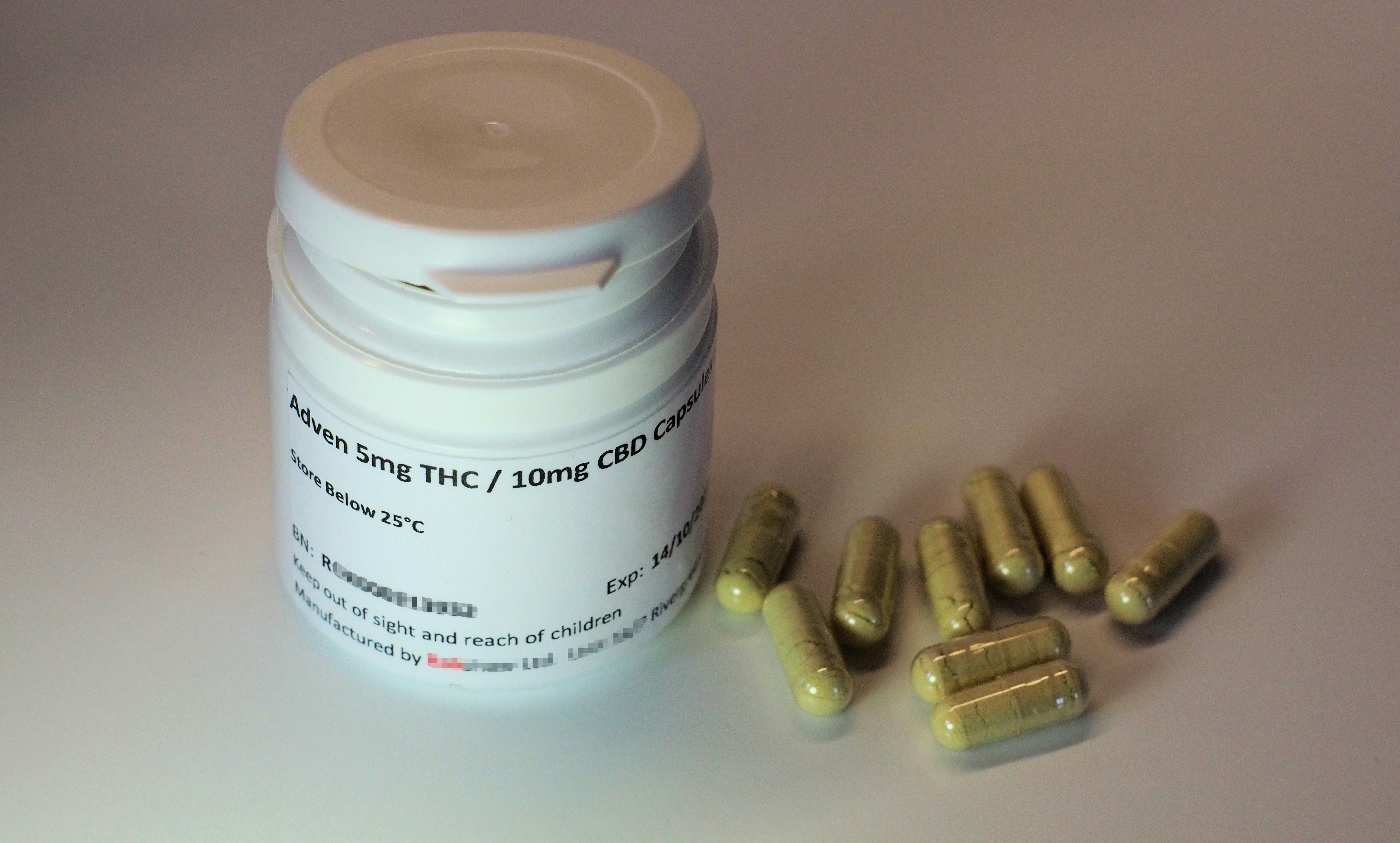
Microdosing cannabis is about finding the smallest amount that gives you the effect you want without feeling overly intoxicated, foggy, or uncomfortable. For some people, that might mean a very small amount of THC before a creative project. For others, it might mean a CBD-dominant product that fits into a wellness routine without noticeable intoxication.
The key word is “small.” Microdosing is not a shortcut to stronger effects. It is a slower, more intentional approach to cannabis consumption that depends on product type, tolerance, timing, body chemistry, and the reason you are consuming in the first place.
This guide explains what cannabis microdosing means, how low-dose THC and CBD differ, and how to approach products like edibles, tinctures, and vapes with more control.
What does microdosing cannabis mean?
Cannabis microdosing usually means consuming a low amount of THC, CBD, or both, then paying close attention to how your body responds. A common low-dose THC range is about 1–5 mg, although some people feel noticeable effects with less and others may need more depending on tolerance and product type.
For THC, the goal is usually subtlety. A microdose may feel like a slight shift in mood, body comfort, appetite, or sensory awareness rather than strong euphoria. If the dose makes you feel impaired, anxious, overly sedated, or unable to focus, it is probably no longer a microdose for your body.
CBD is different. CBD is generally described as non-intoxicating, so people do not usually microdose it to avoid euphoria in the same way they might with THC. Instead, they may use smaller CBD servings to test comfort, product quality, side effects, or how CBD fits with other medications or routines.
Why people microdose THC
People often try THC microdosing because they want more control. A lower dose may reduce the chance of uncomfortable effects while still allowing the person to explore whether cannabis supports relaxation, mood, creativity, or body comfort.
That does not mean low-dose THC is guaranteed to improve focus, reduce anxiety, or relieve pain. The original claims around microdosing are often stronger than the evidence supports. Some consumers report those benefits, but THC can also increase anxiety, slow reaction time, affect short-term memory, or make work and driving unsafe.
A better way to think about microdosing is as a personal calibration process. You are not proving that cannabis works for every goal. You are learning whether a specific product, amount, and timing creates the result you want with fewer unwanted effects.
THC and CBD are not interchangeable
THC and CBD are both cannabinoids, but they behave differently.
THC is the main intoxicating compound in cannabis. It can produce euphoria, body relaxation, altered perception, and impairment, especially as the dose rises. A low THC dose may feel manageable for one person and too strong for another.
CBD is non-intoxicating, but that does not mean it is risk-free. CBD can cause side effects for some people and may interact with medications. People who take prescription drugs, have liver concerns, are pregnant, or are nursing should talk with a qualified healthcare professional before using CBD products.
Products that combine THC and CBD also deserve attention. Some consumers assume CBD automatically “cancels out” THC, but the interaction can be more complicated, especially with oral products. A balanced product may feel smoother for some people, but it should still be approached as an active cannabis product.
How to start with low-dose THC
For THC, a cautious starting point is often 1–2.5 mg, especially with edibles or drinks. People with little or no THC tolerance may want to start at the lowest end of that range.
Stay with the same dose and product for more than one session before increasing. Changing the dose, product type, meal timing, and setting all at once makes it harder to understand what actually affected the experience.
A simple approach looks like this:
- Choose one low-dose product with clear THC labeling.
- Start when you do not need to drive, work, supervise children, or make important decisions.
- Take one small serving and wait long enough for that product type.
- Write down the amount, time, product, setting, and effects.
- Increase only gradually in a future session if the first amount felt too low.
For edibles, avoid the classic mistake of taking more too soon. Effects can be delayed and may feel stronger later than they did at the beginning.
How timing changes the experience
Microdosing depends heavily on delivery method. A 2.5 mg THC edible is not the same experience as a small puff from a vape or a measured tincture serving.
Edibles and infused drinks take longer because THC has to move through digestion. Effects can be delayed, and the experience can last longer than inhaled cannabis. That makes edibles useful for some people who want a slow, steady effect, but less ideal for anyone who tends to get impatient and redose early.
Tinctures can vary depending on the formula and how they are used. Some people hold a tincture under the tongue before swallowing, while others swallow it right away. Either way, read the label carefully and use the dropper markings rather than guessing.
Vapes and inhaled products usually produce faster effects, which can make them easier to titrate in the moment. The tradeoff is that “one puff” is not a precise dose. Potency, device type, inhale depth, and product formulation all matter.
Best product types for cannabis microdosing
Low-dose products make microdosing easier because they reduce guesswork. The best choice depends on whether you want precision, faster feedback, or longer-lasting effects.
| Product type | Best for | What to watch for |
|---|---|---|
| Low-dose edibles | Longer-lasting effects | Delayed onset can lead to accidental overconsumption |
| Infused drinks | Gradual, social, or evening routines | Serving size and onset can vary by product |
| Tinctures | Measured servings | Dropper markings and cannabinoid concentration matter |
| CBD-dominant products | Non-intoxicating routines | CBD can still cause side effects or drug interactions |
| Low-potency vapes | Faster feedback | Harder to measure exact THC intake |
For any product, the label matters. Look for the amount of THC and CBD per serving, not just per package. If the product has a certificate of analysis, check whether the cannabinoid numbers match the label and whether the product passed required contaminant testing.
What to track as you adjust
The most useful microdosing habit is tracking. You do not need a complicated journal. A few notes can help you avoid repeating an uncomfortable experience or missing the pattern behind a good one.
Track the product name, cannabinoid content, serving size, time consumed, food eaten beforehand, mood before consuming, and effects over the next several hours. For THC, include whether you felt clear, impaired, anxious, relaxed, sleepy, or distracted.
This is especially helpful with edibles because the same dose can feel different depending on your meal, sleep, stress level, and tolerance. Microdosing works best when you treat those variables as part of the experience rather than background noise.
Safety considerations before microdosing
Microdosing does not remove cannabis risk. It may reduce the chance of overconsumption, but THC can still impair driving, reaction time, judgment, and coordination. Do not drive after consuming THC, even if the dose feels small.
Avoid mixing THC with alcohol or sedating medications unless a qualified healthcare professional has told you it is appropriate. Combining substances can increase drowsiness, dizziness, and the chance of unwanted effects.
CBD also deserves caution. It can interact with medications and may not be appropriate for everyone. If you use medications with grapefruit warnings, seizure medications, blood thinners, sedatives, or other prescriptions, ask a healthcare professional before adding CBD.
Store all cannabis products securely and away from children and pets. Low-dose edibles can still be harmful if accidentally consumed, especially by a child or animal.
Frequently asked questions
Q: What is a cannabis microdose?
A: A cannabis microdose is a small amount intended to create subtle effects without strong intoxication. For THC, many people think of microdosing as roughly 1–5 mg, but individual response varies.
Q: Is 5 mg THC a microdose?
A: For some people, yes. For others, 5 mg may feel clearly intoxicating. People with low tolerance often start closer to 1–2.5 mg THC.
Q: Can you microdose CBD?
A: You can use small servings of CBD, but CBD is non-intoxicating, so the goal is usually different from THC microdosing. Smaller servings may help people assess tolerance, side effects, and product fit.
Q: Are edibles good for microdosing?
A: Edibles can work well when they are clearly labeled and low-dose, but they require patience. Effects can be delayed, so taking more too soon increases the risk of overconsumption.
Q: Can microdosing cannabis help anxiety?
A: Some consumers report feeling calmer with low doses, but THC can also worsen anxiety for some people. Anyone using cannabis for a medical or mental health condition should speak with a qualified healthcare professional.
Practical takeaways
Cannabis microdosing is less about chasing a perfect number and more about learning your personal threshold. Start with a low amount, use a consistent product, wait long enough before changing the dose, and track what happens.
For THC, the most important question is whether the dose stays below your impairment threshold. For CBD, the key questions are product quality, side effects, and possible medication interactions.
Microdosing can be a useful way to approach cannabis more intentionally, but it works best when you treat “low dose” as a safety-minded starting point rather than a guarantee.
Sources
- NCCIH, “Cannabis and Cannabinoids: What You Need To Know”
- CDC, “Cannabis Frequently Asked Questions”
- CDC, “About CBD”
- FDA, “What to Know About Products Containing Cannabis and CBD”
- Health Canada, “Cannabis: lower your risks”
- NCCIH, “When Taken Orally, Δ9-THC With CBD Can Result in Stronger Drug Effects Than Δ9-THC Alone”
Further Reading
- Cannabis Microdosing: How Small Doses Can Impact Health and Productivity
- How to Properly Dose Cannabis Edibles
- Cannabis and Anxiety: Does It Help or Hurt?
- How THC and CBD Interact with the Endocannabinoid System
- Cannabis and Bioavailability: Which Consumption Method is Most Effective?