Appearance
Creativity, Focus, and Cannabis
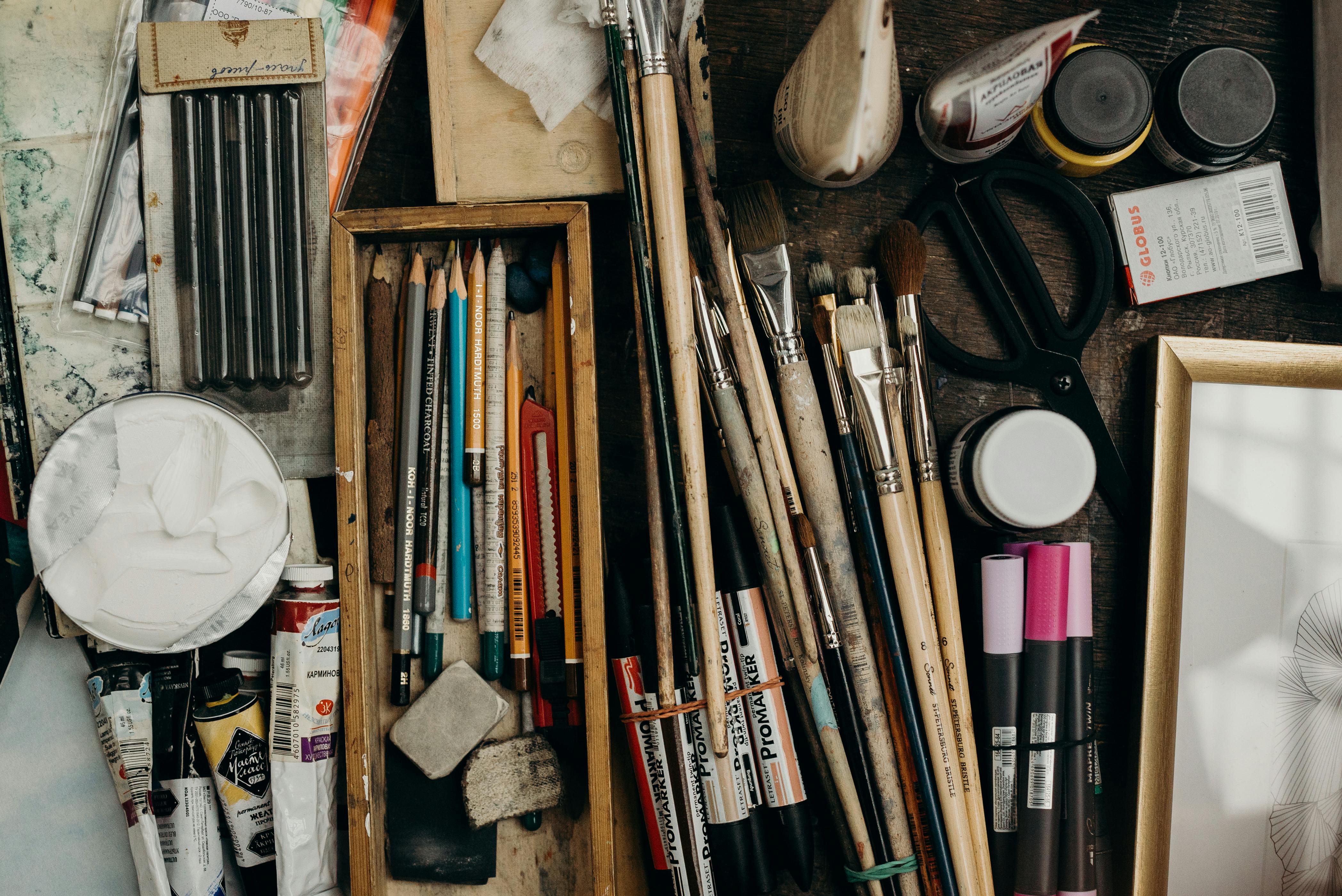
Cannabis has a long-standing reputation in creative circles. Musicians, writers, visual artists, comedians, designers, and hobby creators often describe it as a way to loosen rigid thinking, notice patterns, or get into a more playful headspace. That reputation is real culturally, but the science is more complicated than “cannabis makes you creative.”
A better way to frame it is this: cannabis may change the conditions around creative thinking. It can alter mood, attention, inhibition, sensory perception, and the way ideas feel in the moment. For some people, that can make brainstorming feel easier. For others, especially with higher-THC products, it can make focus, memory, and follow-through harder.
The question is not just whether cannabis “boosts creativity.” The more useful question is when it helps, when it gets in the way, and how to approach creative sessions without confusing a fun idea with a finished one.
What creativity actually means
Creativity is not one single mental skill. It includes idea generation, pattern recognition, emotional expression, problem-solving, revision, and execution. A person may feel more imaginative after cannabis consumption but still struggle to organize a draft, remember a melody, edit a video, or finish a design.
Researchers often separate creative thinking into two broad categories. Divergent thinking is the ability to generate many possible ideas, such as brainstorming ten uses for an ordinary object. Convergent thinking is the ability to narrow options and identify a useful answer or solution. Both matter. A good creative session usually needs open-ended exploration first and sharper judgment later.
Cannabis is more likely to affect the first stage than the second. A mildly altered state may make unusual associations feel more available. It may also make colors, sound, texture, humor, or emotional tone feel more vivid. That can be useful for sketching, improvising, journaling, moodboarding, or breaking out of a mental rut.
The harder part is quality control. The idea that feels brilliant in the moment may or may not hold up later. That does not make the experience useless. It means cannabis may be better suited to rough exploration than final editing, technical precision, or deadline-sensitive work.
How cannabis may change creative thinking
THC, the main intoxicating cannabinoid in many cannabis products, interacts with the body’s endocannabinoid system and can affect mood, perception, memory, and attention. Those changes help explain why cannabis can feel creatively useful for some consumers and distracting for others.
One common reason people associate cannabis with creativity is reduced self-censorship. When internal criticism quiets down, a person may be more willing to sing a rough melody, write an imperfect first paragraph, or try a visual idea that would normally feel too odd. That looseness can be valuable during early creative work.
Cannabis can also change sensory attention. Music may feel more layered, food more textured, visual detail more noticeable, and emotional nuance more intense. For artists working with atmosphere, rhythm, color, or personal reflection, those changes can feel creatively rich.
But those same effects can cut the other way. If cannabis makes attention jumpy, working memory weaker, or time feel distorted, it can become harder to complete the task. A creative session may turn into a long chain of half-started ideas. Some consumers also experience anxiety or overthinking, which can make creative work feel more pressured rather than more fluid.
What research suggests about cannabis and creativity
The research does not support a simple “cannabis makes people more creative” claim. Some studies suggest cannabis consumers may see themselves as more creative, but objective creativity tests do not always show the same boost. In other words, cannabis can change confidence, enjoyment, or perception of the process without reliably improving the final creative output.
Dose appears to matter. In a study of regular cannabis consumers, a low THC dose did not significantly improve divergent thinking, while a higher THC dose impaired performance on divergent thinking tasks. That finding fits what many consumers report anecdotally: a small amount may feel mentally loosening, while too much can make ideas harder to organize.
This does not mean cannabis has no place in creative routines. It means the effect is conditional. The person, product, THC potency, tolerance, setting, task, and timing all matter. Someone brainstorming a playlist at home may have a very different experience from someone trying to finish a client project, record a technically demanding guitar part, or revise an essay.
The practical takeaway is to separate the feeling of creativity from the usefulness of the work. Feeling inspired matters, but so does what happens when you revisit the idea later.
Dose, timing, and the creative task
For creative work, more is not automatically better. Higher-THC products can increase the chance of distraction, anxiety, short-term memory issues, and difficulty completing complex tasks. That is especially important for people who are new to cannabis, returning after a break, or trying a product with unfamiliar potency.
A lower-intensity approach is usually more compatible with creative work than chasing the strongest intoxicating effects. That might mean choosing a lower-THC product, consuming less than usual, or saving cannabis for the brainstorming stage rather than the editing stage. The goal is not to erase judgment completely. It is to create enough looseness to explore without losing the thread.
Timing also matters. Cannabis may be more useful before a freewriting session, a sketchbook warmup, an improvisational jam, or a walk where ideas can surface naturally. It may be less useful right before detail-heavy work, final revisions, legal or financial decisions, driving, operating equipment, or anything that requires fast reaction time and precise judgment.
A simple creative workflow is to split the session into two parts: create while ideas are loose, then review later while sober. That second pass helps separate genuinely useful ideas from ideas that only felt interesting in the moment.
Are “sativa” strains better for creativity?
The original version of this article described sativa strains as generally better for creativity. That is a common consumer belief, but it is too broad to treat as a reliable rule.
In many dispensaries, products are still grouped as sativa, indica, or hybrid. Those labels can be useful shorthand for how a brand or retailer expects a product to feel, but they do not reliably tell you how the product will affect your creativity. Research on cannabis labeling suggests that sativa and indica categories do not consistently capture the plant’s overall chemical or genetic variation.
A more useful approach is to look beyond the label. Product chemistry, THC potency, CBD content, terpene profile, freshness, consumption method, and your own tolerance may matter more than whether something is marketed as sativa. Two products with the same strain name can also feel different depending on the grower, batch, and lab-tested profile.
If you are choosing cannabis for creative work, consider asking a licensed dispensary worker practical questions:
- Is this product lower, moderate, or high in THC?
- Does the certificate of analysis show meaningful CBD or mostly THC?
- What effects do consumers commonly report with this batch?
- Is it better suited for daytime focus, relaxation, or sensory enjoyment?
- Is there a lower-potency option for a creative session?
This keeps the decision grounded in product details instead of relying only on strain folklore.
Practical ways to use cannabis in a creative routine
The most useful creative cannabis routine is usually intentional, not automatic. Start with the task. Are you trying to generate raw material, loosen up, explore sound or color, or finish polished work? Cannabis may fit some of those goals better than others.
For brainstorming, keep tools close before consuming: notebook, voice memo app, sketchpad, instrument, camera, or project file. Capture ideas quickly because short-term memory can become less reliable. A messy note is better than assuming you will remember the idea later.
For writing, music, or visual work, try using cannabis only during the draft or exploration stage. Then come back later for sober editing. This can preserve the imaginative benefit while reducing the risk of publishing, sending, or committing to work that has not been reviewed clearly.
For group creativity, talk about expectations first. Cannabis can make some people more social and playful, but it can make others quiet, anxious, or less able to collaborate. A low-pressure setting works better than a session where everyone is expected to perform.
If cannabis consistently makes you avoid the work, lose confidence, overthink, or abandon projects, it may not be serving your creativity. The best creative tool is the one that helps you return to the work, not just romanticize it.
Common misconceptions
One misconception is that cannabis creates talent. It does not. It may change mood, perception, or inhibition, but it cannot replace practice, craft, revision, or taste.
Another misconception is that stronger cannabis means deeper creativity. Higher THC can make ideas feel more intense, but intensity is not the same as quality. In some research, higher THC impaired divergent thinking rather than improving it.
It is also misleading to assume that creativity requires intoxication. Many artists use cannabis as one occasional tool among many: walking, music, meditation, conversation, reading, boredom, deadlines, and rest can all support creative work. Cannabis may be part of a routine, but it does not need to be the center of one.
Key takeaways
Cannabis may help some people feel more open, playful, sensory, or less self-critical during creative work. That can be useful for brainstorming and early exploration.
The evidence does not show a guaranteed creativity boost. Higher-THC products may impair divergent thinking, attention, memory, or follow-through, especially when the task requires structure.
Sativa, indica, and hybrid labels are not reliable enough to predict creative effects on their own. Potency, product chemistry, tolerance, setting, and the type of creative task matter more.
The most balanced approach is to use cannabis, if at all, as a tool for idea generation rather than final judgment. Capture the ideas, revisit them later, and let sober editing decide what is actually worth keeping.
Frequently Asked Questions
Q: Does cannabis make everyone more creative?
A: No. Some people feel more imaginative or less inhibited, while others feel distracted, anxious, sleepy, or less focused. Effects vary by person, product, dose, and setting.
Q: Is a sativa product always better for creativity?
A: Not always. Sativa is a common retail label, but it does not reliably predict creative effects. Look at THC potency, CBD content, terpene information, and your own past responses.
Q: Can high-THC cannabis hurt creativity?
A: It can. Higher THC may make it harder to focus, remember ideas, organize thoughts, or complete a task. Some research has found impaired divergent thinking after a higher THC dose.
Q: What is the best way to use cannabis for creative work?
A: Use it, if at all, for low-pressure brainstorming or exploration. Save editing, publishing, client work, and technical decisions for a clear-headed review later.
Q: Should beginners use cannabis to become more creative?
A: Beginners should be cautious. Cannabis can feel stronger than expected, especially with high-THC products or edibles. A lower-intensity approach and a comfortable setting are more sensible than starting with a strong product.
Sources
- Kowal et al., “Cannabis and creativity: highly potent cannabis impairs divergent thinking in regular cannabis users,” Psychopharmacology
- LaFrance et al., “Inspired by Mary Jane? Mechanisms underlying enhanced creativity in cannabis users,” Consciousness and Cognition
- Watts et al., “Cannabis labelling is associated with genetic variation in terpene synthase genes,” Nature Plants
- CDC, “Cannabis Frequently Asked Questions”
Further Reading
- The Best Cannabis Strains for Focus and Productivity
- Cannabis and Dopamine: Does It Really Make You Happier?
- Cannabis and Music: Why They Pair So Well
- The Difference Between Indica, Sativa, and Hybrid Strains